The Structure of Food
Why Your Teenager Is “Starving” Again at 2pm
If you live with a teenager, you’ve probably heard:
“There’s nothing to eat.”
Usually said while standing in front of a full fridge.
This isn’t always about growth spurts.
It’s often about food structure.
As a dietitian, I see this constantly: teens aren’t necessarily under-eating. They are under-structuring their meals.
And structure matters.
Whole foods have built-in architecture:
-
Cell walls
-
Fibre networks
-
Intact grains
-
Skins and seeds
-
Natural density
That structure slows digestion.
It makes the stomach stretch.
It stimulates satiety hormones like GLP-1 and PYY.
It gives gut bacteria something to ferment.
It tells the brain:
“We’ve eaten.”
Ultra-processed foods are engineered to:
-
Be soft
-
Break apart easily
-
Require minimal chewing
-
Digest quickly
Think:
-
Chips
-
White bread
-
Nuggets
-
Muesli bars
-
Biscuits
-
Ice cream
-
Soft drink
-
Instant noodles
-
Chocolate bars
If it melts, crumbles or squishes with zero effort, the gut barely has to work.
Fast in → fast digestion → blood sugar spike → crash → hungry again.
Your teen isn’t dramatic.
Their lunch just had no resistance.
How Fullness Actually Works
Appetite regulation depends on three major players:
1️⃣ Protein – The Stability Anchor
Protein takes longer to digest and triggers strong satiety signals.
It helps reduce:
-
After-school binge eating
-
3pm mood crashes
-
Constant grazing
Teen protein ideas:
-
Eggs
-
Chicken, beef or lamb
-
Tuna or salmon
-
Greek yoghurt
-
Cottage cheese
-
Tofu or tempeh
-
Edamame
-
Peanut butter
-
Hummus
-
Protein-rich wraps or grain breads
Even adding 15–20g of protein to a meal can significantly improve fullness.
2️⃣ Fat – The Brake Pedal
Fat slows gastric emptying.
It keeps food in the stomach longer and prevents rapid blood sugar swings.
But quality matters.
Supportive fats:
-
Avocado
-
Cheese
-
Nuts (almonds, cashews, walnuts)
-
Nut butters
-
Seeds (chia, pumpkin, sunflower)
-
Olive oil
-
Tahini
This isn’t about deep-fried food.
It’s about strategic fat to slow the meal.
3️⃣ Fibre – The Structural Engineer
Fibre:
-
Requires chewing
-
Adds bulk
-
Slows glucose absorption
-
Feeds gut microbes
-
Reduces inflammation
-
Improves long-term metabolic health
Most Australian teens don’t meet fibre recommendations.
When fibre intake drops, satiety drops.
High-fibre additions:
-
Oats
-
Brown rice
-
Wholegrain bread
-
Lentils
-
Chickpeas
-
Kidney beans
-
Berries
-
Apples (skin on)
-
Pears
-
Carrots
-
Snow peas
-
Cucumber
-
Capsicum
-
Sweet potato
-
Popcorn (air-popped)
Fibre is the difference between chewing and inhaling.
The 2pm Lunchbox Crash
A common lunchbox looks like this:
-
Soft white bread sandwich
-
Packet of chips
-
Muesli bar
-
Biscuit
Mostly refined carbohydrate.
Minimal protein.
Little fibre.
Almost no structural resistance.
It disappears quickly.
The body responds accordingly.
The Easy Upgrade (No Food Fights Required)
You don’t need a Pinterest lunchbox.
You need structure.
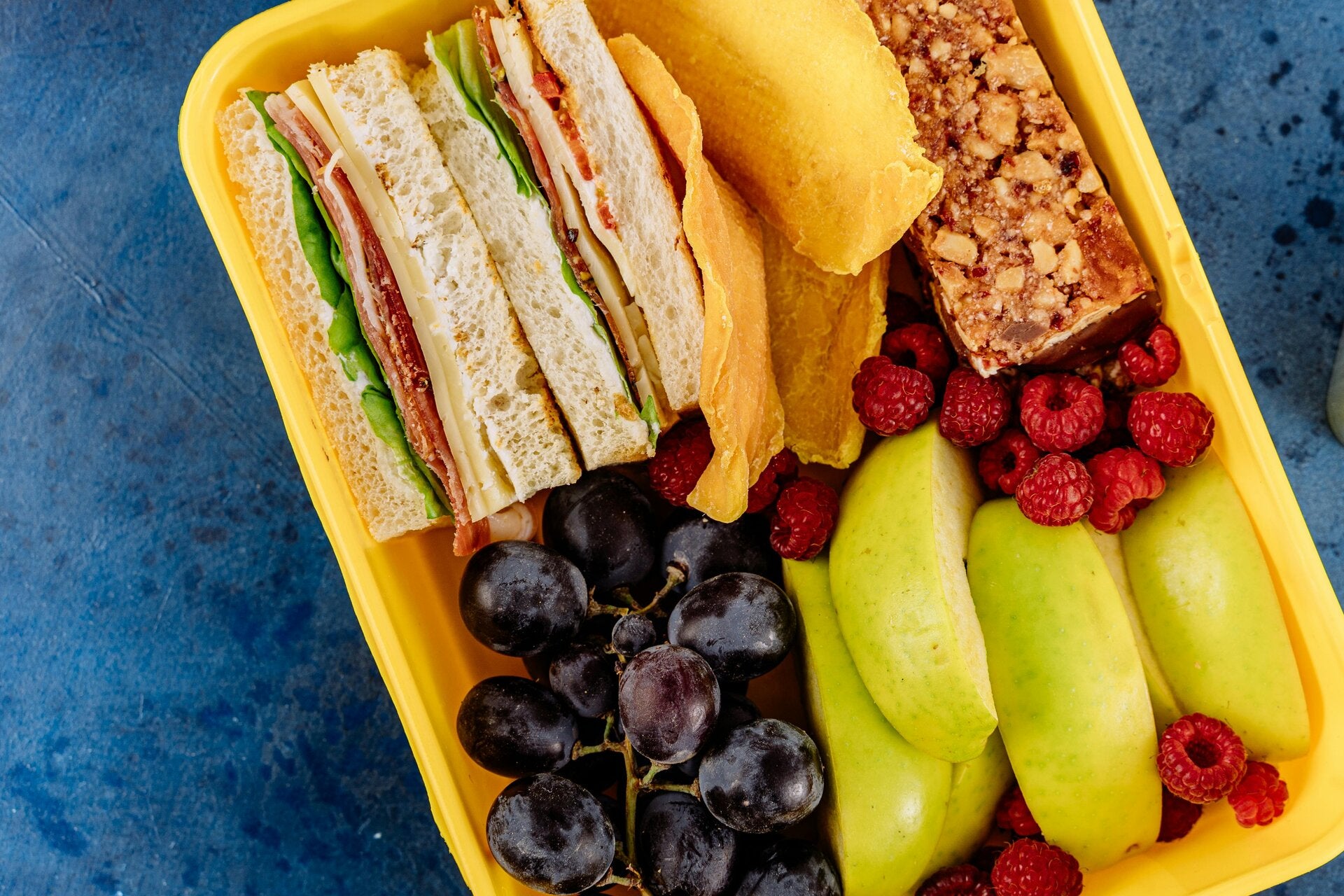
Balanced Teen Lunch Example:
-
Wholegrain wrap with chicken, tofu or egg
-
Avocado or cheese
-
Crunchy vegetables (carrot sticks, cucumber, snow peas)
-
A piece of fruit
-
Yoghurt or a handful of nuts
Suddenly:
-
Slower digestion
-
Steadier energy
-
Fewer afternoon meltdowns
-
Less grazing at 4pm
Why Teens Feel “Bottomless”
Adolescence increases:
-
Growth demands
-
Muscle development
-
Hormonal fluctuations
-
Brain development
-
Sleep disruption
They genuinely need energy.
But if that energy comes in soft, rapidly digested forms, appetite signals cycle faster.
It becomes:
Eat → spike → crash → eat → spike → crash.
Structure interrupts that loop.
A Simple Rule for Parents
Before asking
“Have you eaten enough?”
Ask
“Was there protein, fat and fibre in that meal?”
If the answer is no! That is your starting point.
The Bottom Line
Hunger isn’t always about portion size.
Often, it’s about food architecture.
When meals contain:
-
Adequate protein
-
Supportive fats
-
Structural fibre
Teens stay full longer.
Mood stabilises.
Energy evens out.
And the fridge door opens a little less often.